


New England is a tranquil wooded valley today, but for 300 years it served as a busy transport route, industrial hub, and home to mining families.
New England
tranquil woodland valley with rich industrial history.
Getting there & parking
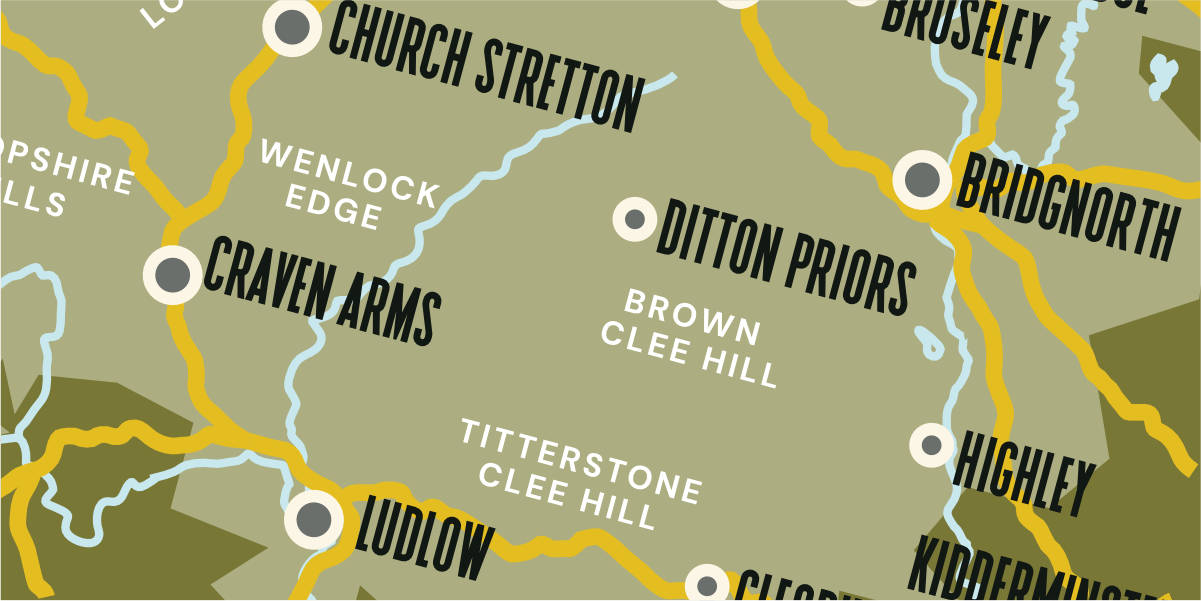
New England is a peaceful wooded valley about 1 mile west of Highley and 2 miles east of Billingsley. Vehicular access is via Bind Lane.
Parking is available at the Severn Centre in Highley (WV16 6JG) with a 15-minute walk, or at the start of the Jack Mytton Way bridleway, Billingsley (WV16 6PF). Follow the Jack Mytton Way to New England with the entrance just before the Borle Brook ford.
Highley is served by local bus routes.
The Jack Mytton Way runs through the site, and several footpaths connect to the River Severn and surrounding countryside.
Opening times
Open at all times.
Things to see & do
Play Pooh Sticks on Donkey Bridge
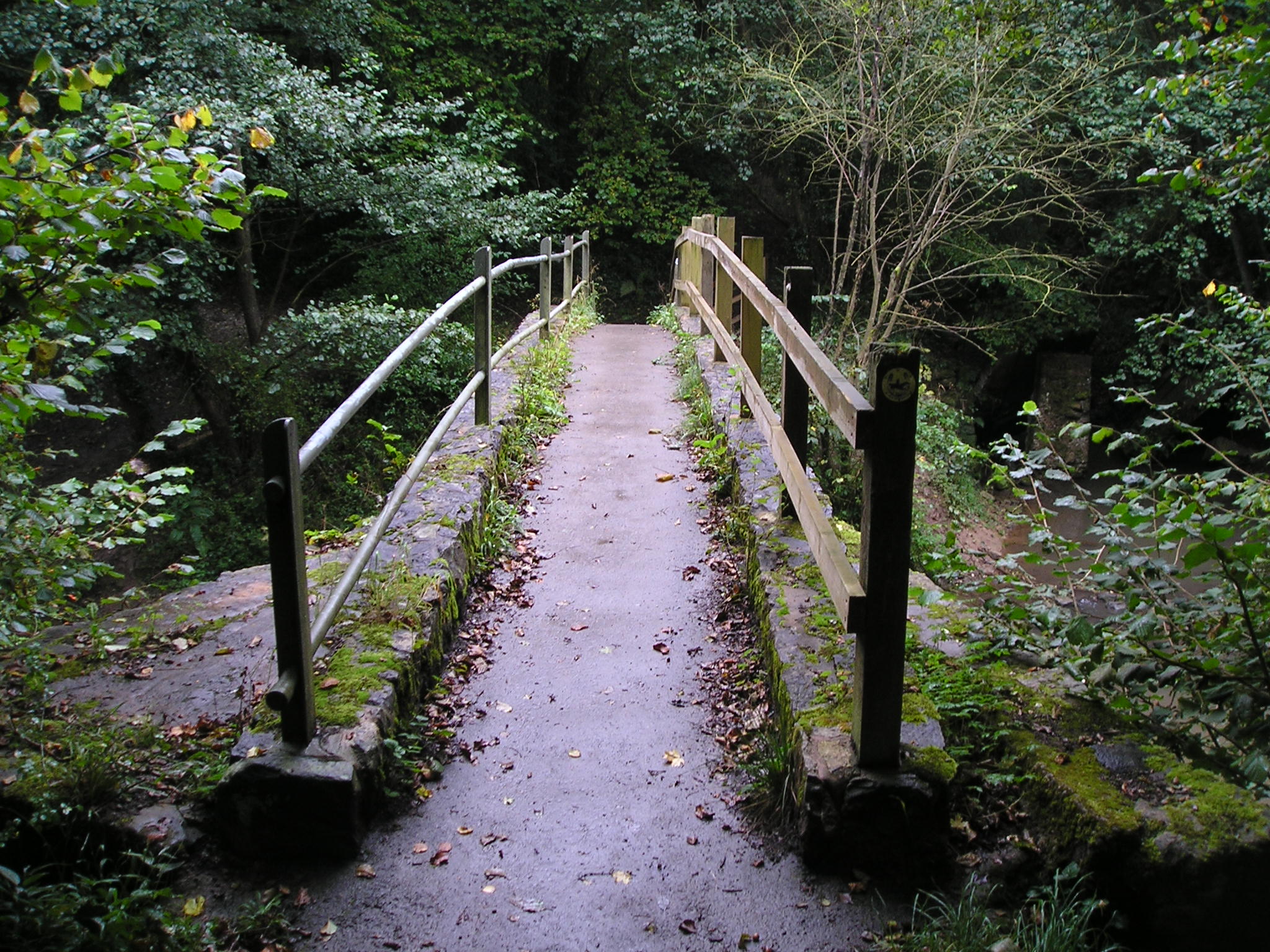
Enjoy the babbling Borle Brook and watch for dippers and kingfishers. This beautiful stone structure was built in 1709 and was an important part of the packhorse routes that used to take travellers from the Rea Valley to the River Severn.
Explore Industrial Relics
Discover old railway lines, tramway remains, and the footprint of 19th-century miners’ cottages.
Picnic with a View
Relax at the restored picnic area overlooking the brook and Donkey Bridge—a unique spot steeped in history.
The Jacky Mytton Way
The Jack Mytton Way runs through the site and over the Donkey Bridge before heading towards Billingsley. This is a long-distance bridleway stretching for 100 miles through Shropshire.
What's special about...
New England is a fascinating site where history and nature intertwine. Today, it feels like a tranquil, wooded valley with the gentle sound of Borle Brook and birdsong, but its past tells a very different story. In the late 18th century, this area was a hub of industry. Coal and ironstone mines opened in Billingsley during the 1790s, and by 1796 a plateway (tramway) linked the River Severn to the works at Billingsley—remnants of which can still be seen. Later, a railway was constructed along the brook, completed in 1913, with two bridges built at New England, one now in ruins.
The site also housed rows of stone cottages built in 1807 for miners and woodsmen, along with a washhouse. These were abandoned by 1918, but their footprints remain. A 2003 heritage project uncovered artefacts like pottery and glassware and restored parts of the site, including a picnic area overlooking the historic Donkey Bridge.
Today, New England is a haven for wildlife and wildflowers, with carpets of wild garlic in spring and sightings of deer and dippers—a sign of clean water. Managed paths and interpretation boards invite visitors to explore its rich industrial heritage and natural beauty.