



Ancient Stiperstones landscape welcomes rare wildlife as conservation area triples in size
- 1,562 hectares of rare upland habitats safeguarded in landscape-scale conservation project
- Rare bilberry bumblebees protected in 1,562-hectare nature haven
- Six organisations unite to create nationally significant wildlife sanctuary on English Welsh border
- Reserve forms part of King’s Series of National Nature Reserves, honouring His Majesty’s lifelong support for the natural environment.
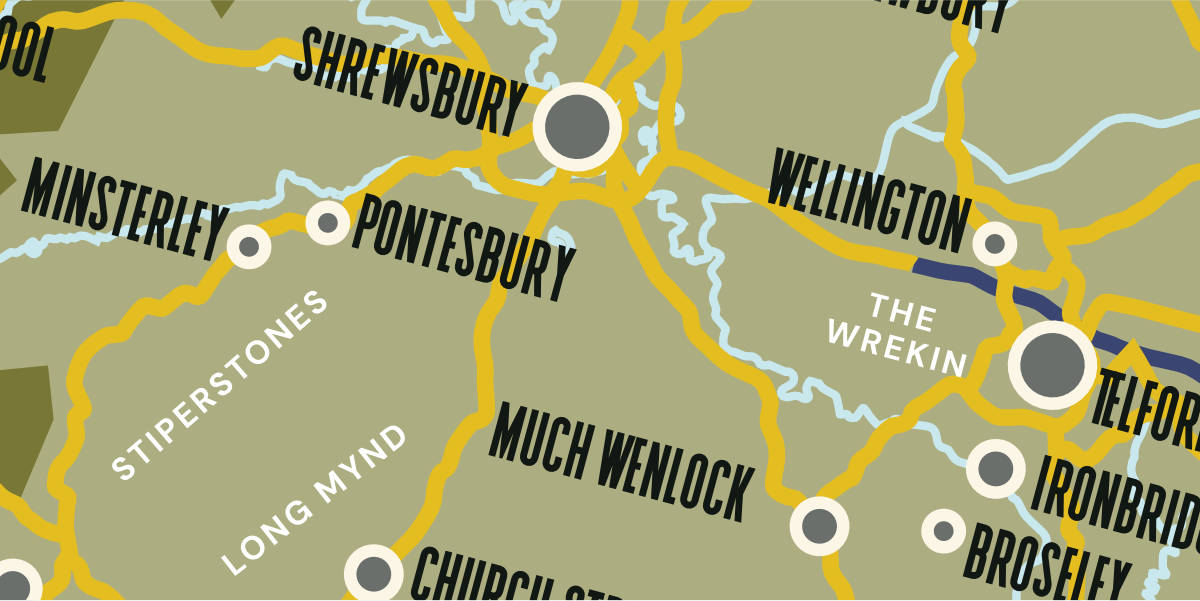
Over one thousand hectares of nationally rare upland habitats have been secured for nature through the creation of England’s new Stiperstones Landscape National Nature Reserve. The expanded reserve, more than three times the area of the original Stiperstones reserve, brings together six partner organisations to safeguard precious heathland, ancient woodland, bogs and acidic grasslands on the edge of the English Welsh border.
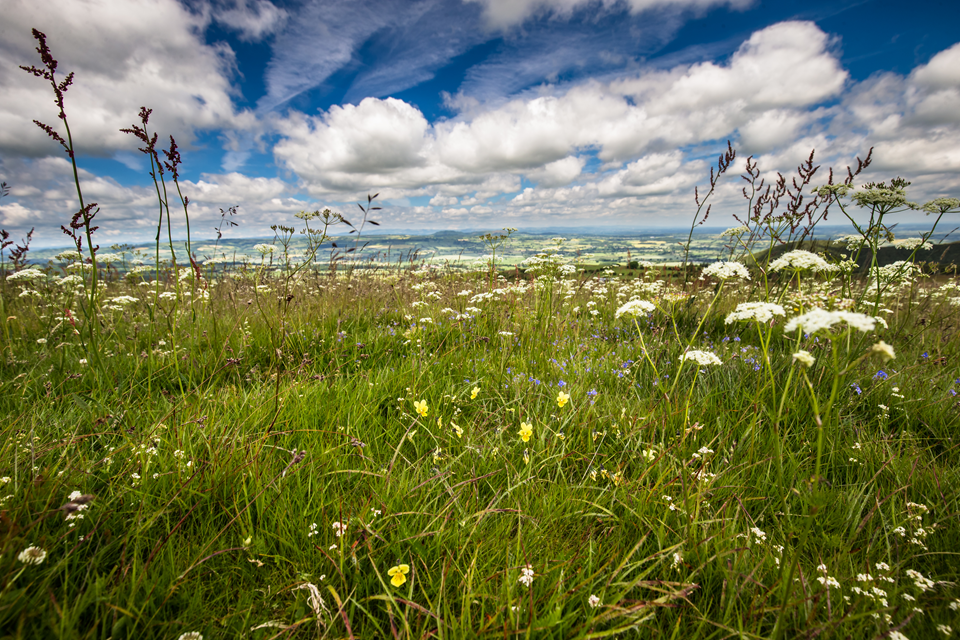
The declaration creates one of England’s most significant upland conservation areas, covering 1,562 hectares of diverse landscapes shaped by unique geology. The reserve combines existing safeguarded sites with over 1,100 hectares of additional partner-managed land, forming a unified sanctuary for threatened wildlife and rare plant species.
The Stiperstones Landscape reserve forms part of the King’s Series of National Nature Reserves, created to honour His Majesty King Charles III’s Coronation and longstanding environmental work. This series represents the most significant expansion of England’s National Nature Reserve network in a generation, with 25 new reserves planned by 2028.
The project directly supports the government’s commitment to make Britain a clean energy superpower by safeguarding natural carbon stores and enhancing ecosystem services. The reserve will capture carbon, manage flood risk and improve water quality whilst providing vital habitat connectivity across fragmented landscapes.
Tony Juniper, Chair of Natural England, said:
“Enhancing and expanding our nature rich landscapes is one of the most critical actions we must take to achieve our stretching environmental targets; this landmark moment for nature recovery is the next step on that path. Collaboration across this landscape will protect the upland heath and ancient woodland conserving rare species while also creating more opportunities for local people to experience the joy of nature first hand”
Partners will develop a strategic management plan setting ambitious targets for nature recovery across all sites. The reserve acts as a core hub from which conservation benefits will extend into surrounding areas, supporting the government’s target to protect 30% of England’s land for nature by 2030.
Dr Richard Keymer, Middle Marches Community Land Trust Chair said:
“Middle Marches Community Land Trust is delighted that the Stiperstones National Nature Reserve is to be extended and will include two areas of land that we own, Minsterley Meadows and Norbury Hill. Larger areas of land managed for nature will make them more resilient in the face of a changing climate.”
Visitors can explore the reserve’s diverse habitats and experience breath taking views across the landscape through existing footpaths and bridleways, with the Bog Visitor Centre providing educational resources about the area’s unique ecology. The reserve offers opportunities for scientific research, environmental education and outdoor recreation whilst protecting sensitive wildlife areas.
Rare wildlife including the wonderfully named bilberry bumblebee will receive enhanced protection through the creation of the expanded Stiperstones Landscape National Nature Reserve. The 1,562-hectare sanctuary preserves ancient quartzite tors steeped in Saxon legend, where Wild Edric and his fairy queen Godda are said to still gallop whenever England faces peril!
The bilberry bumblebee, with its distinctive orange-red tail, depends entirely on bilberry flowers for nectar and pollen. This fussy feeder has become an unlikely conservation celebrity, even inspiring its own wildlife trust blog as conservationists work to protect its specialist habitat across the reserve’s diverse heathland mosaic.
To view the public notice from Natural England.