Places of interest:
Shrewsbury
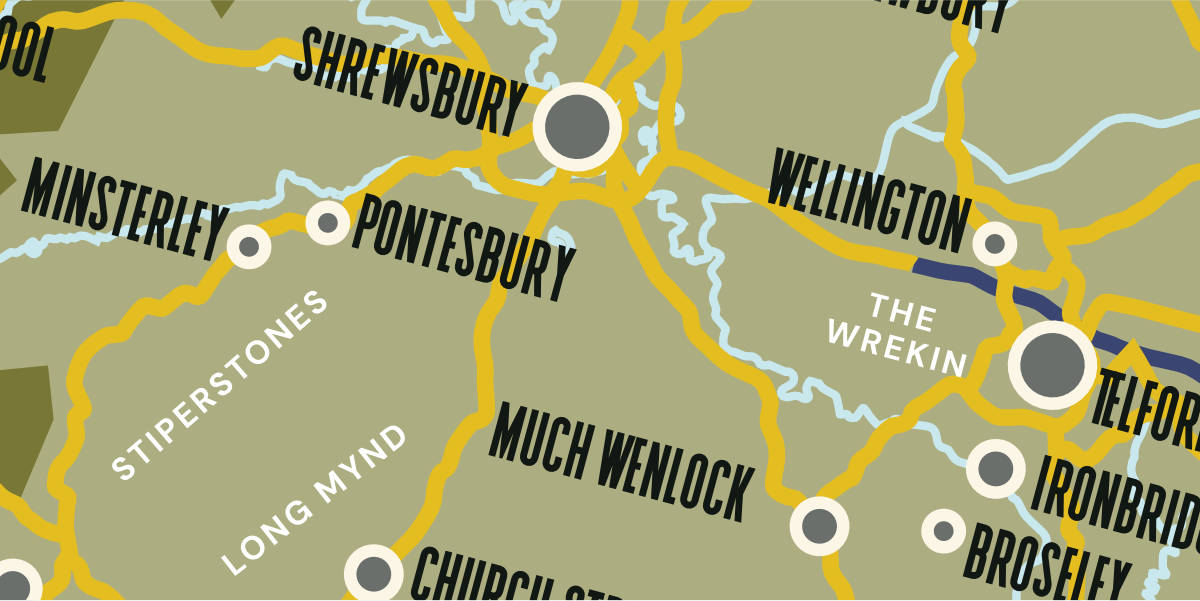
Shrewsbury is a very attractive historic market town nestled in a loop of the River Severn. The town centre has a largely unaltered medieval street plan and features several timber framed 15th and 16th century buildings.
The town was founded around 800AD and has played a significant role in British history, having been the site of many conflicts, particularly between the English and the Welsh. William the Conqueror gave the town to Roger de Montgomery who founded Shrewsbury Castle in 1074 and Shrewsbury Abbey in 1083. Both these historic buildings can be visited by the public.
Shrewsbury was also the birthplace of naturalist Charles Darwin, one of the most influential scientists of the nineteenth century. He was educated at the famous Shrewsbury School, which was also attended by Michael Palin and DJ John Peel.
Nowadays, Shrewsbury is famous as a ‘town of flowers’. The town hosts one of the oldest and largest horticultural events in the country, Shrewsbury Flower Show, and is known for its floral displays.
Shrewsbury is a lively town with frequent markets and street fairs and festivals. There are plenty of wonderful places to eat and stay, as well as some great shops. There are also some beautiful, peaceful green places to explore such as the town’s stunning Quarry Park, the River Severn path and the Reabrook Valley Nature Reserve.
View from Oaks
This is the highest point on the route (220m) with spectacular views over Shrewsbury, the Wrekin and Haughmond Hill.
Stapleton Church
St John Baptist Church is unusual in that it was originally of two storeys, with the nave over an undercroft. The floor was taken out in 1786. The tower was added c.1840.
Lyth Hill
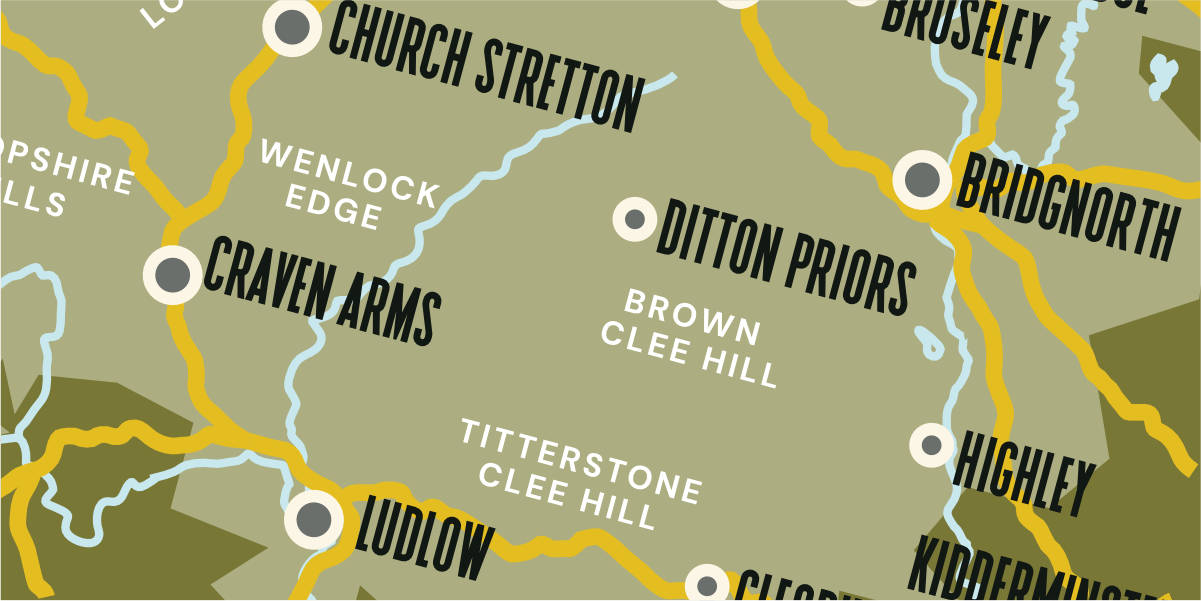
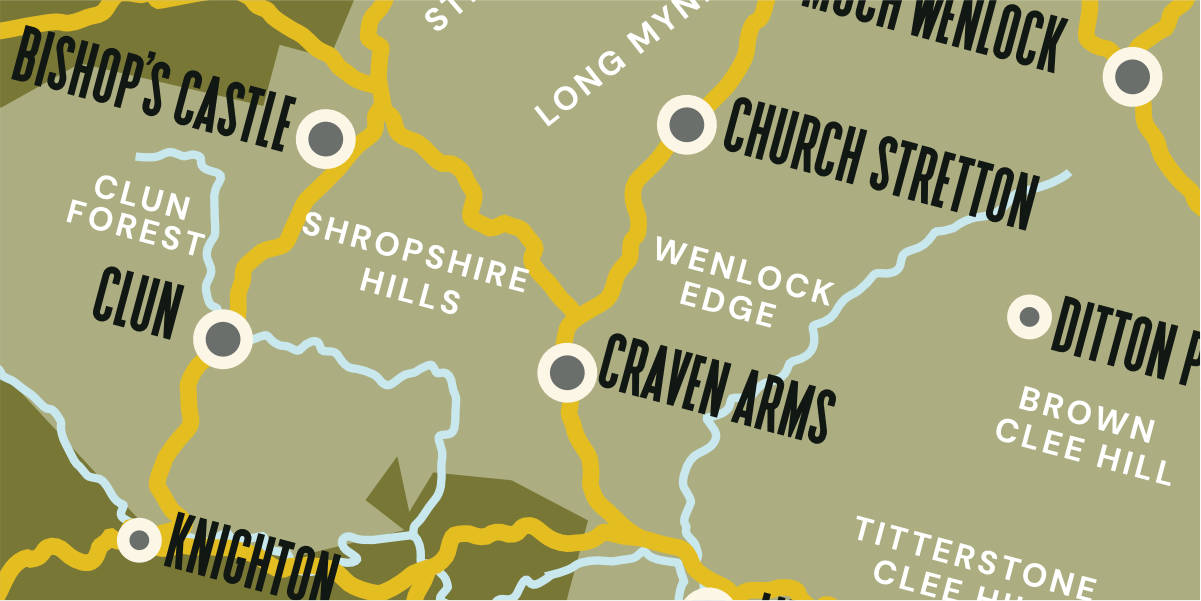
Lyth Hill provides some of the best panoramic views of the Shropshire Hills; from The Wrekin in the east to Wenlock Edge in the south-east and the Stiperstones in the south-west. The site has areas of woodland, scrub, and open grassland providing a wildlife refuge on the outskirts of Shrewsbury.