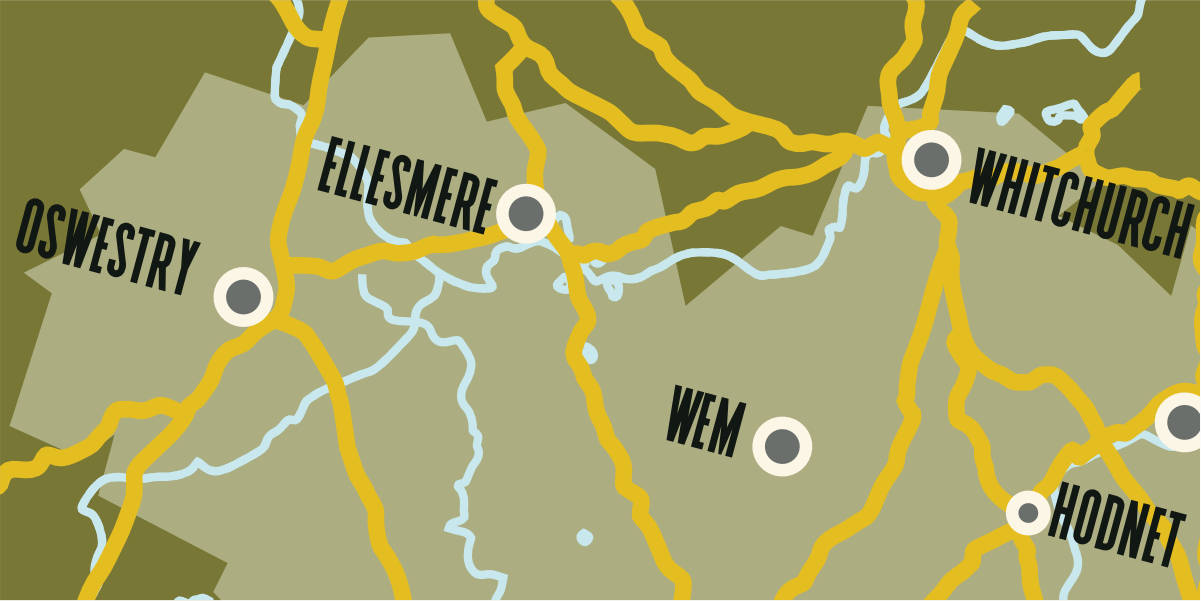


For those who prefer a longer ramble, the longest of the Mere Meander Walks, combining the 3 shorter walks.
The Mere at Ellesmere is the largest of the North Shropshire meres, plummeting to 19 metres in its darkest depths. Fish such as roach, perch and bream make a fat living here. The waters, rich with rock minerals washed through the ground, are heaving with plankton – a feast for fish and dragonfly larvae. Look out in spring for water lilies and yellow flag irises in the marshy areas at the water’s edge. Wintering wildfowl roost on the Mere; widgeon, teal and pochard gather in rafts on the surface and along with the occasional goldeneye, goosander and hundreds of black headed gulls. Pike, the most fierce of freshwater fish, have been known to snatch the odd gull for supper.
Canal wharf – originally knows as Ellesmere Canal, this was part of a network of canals that formed the main transport in the 19th century for industrial materials such as coal. Now called the Llangollen Canal, it is still busy with narrow-boats used for pleasure. The canal leads to a place on the Mersey once called Netherpool, but which became known as Ellesmere Port, reflecting the significance of the canal.
Colemere is a classic ‘kettle hole’ mere created by a melting chunk of glacier with steep, deep sides (perhaps more of a cauldron shape, but kettles with spouts and lids are a relatively recent invention). England’s only known colony of Least Water Lily grows here, its small yellow flowers open in late summer.
The canal is a great place to see wildlife. The hedgerows, banks and ditches provide a safe thorough-fare for voles, field mice and hedgehogs, hunting grounds for bats, food and nesting places for birds. Look out for kingfishers and dragonflies.
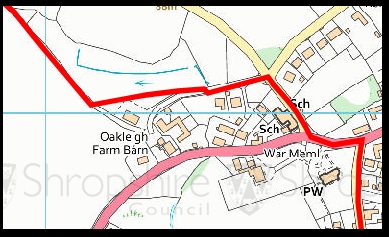
Please note – The route in Welshampton between Stocks Lane proceeding to the north of Oakleigh Farm Barn has changed since the leaflet was published. The new route details are correct on the website. Please ensure you are following the new route.