

Shropshire's Great Outdoors

Discover Shropshire Family Friendly: Ropey Old Lyth Hill

A 2 mile circular walk around Lyth Hill.

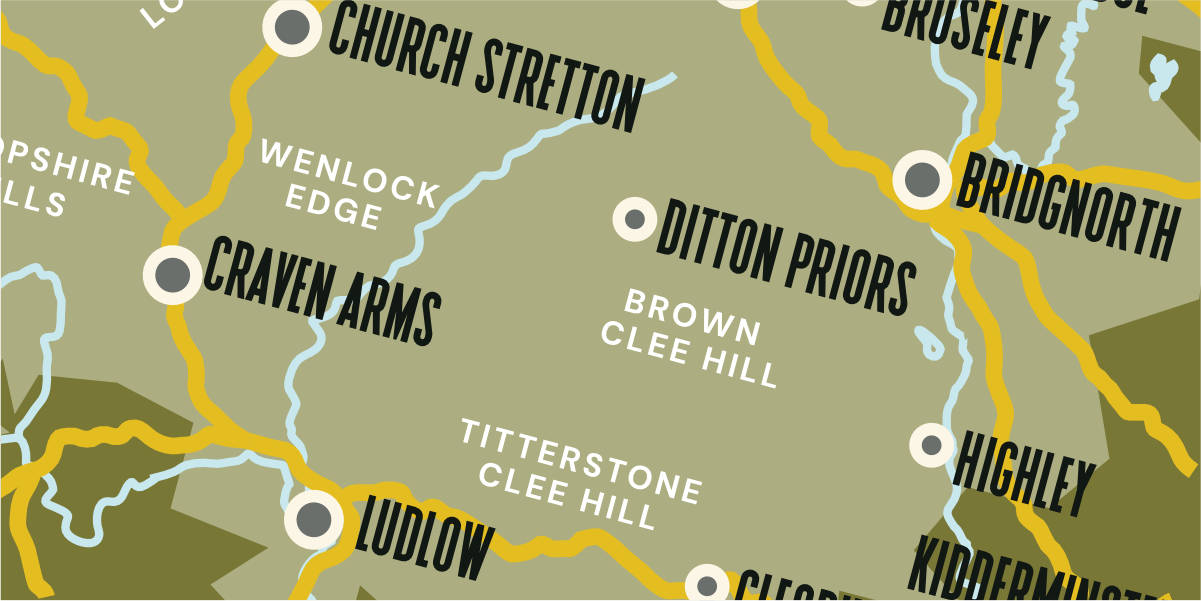
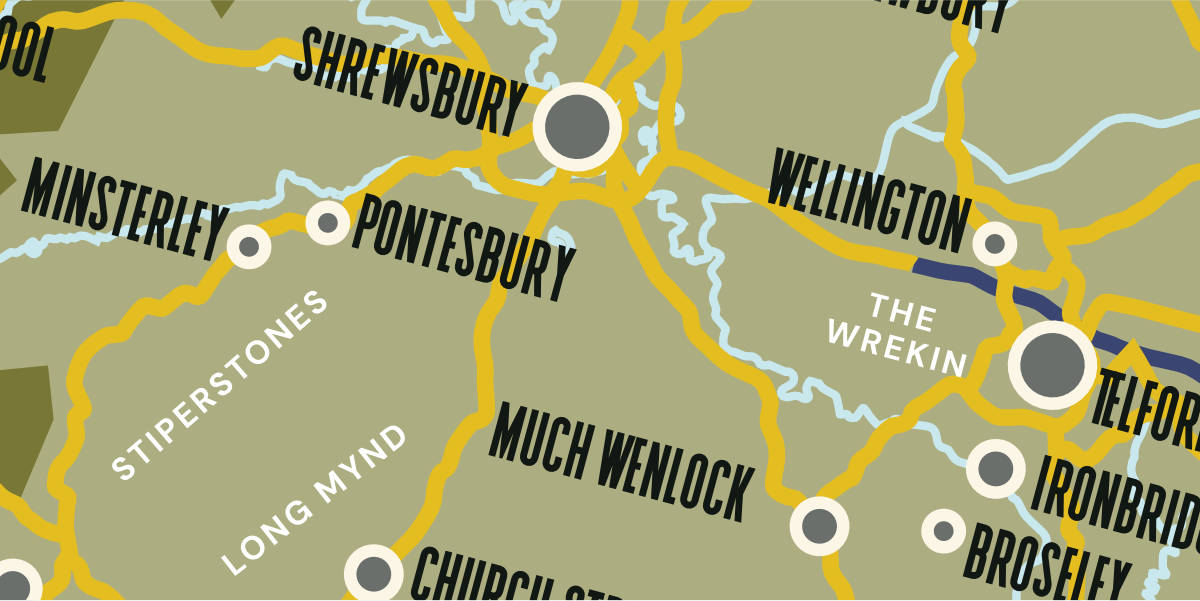
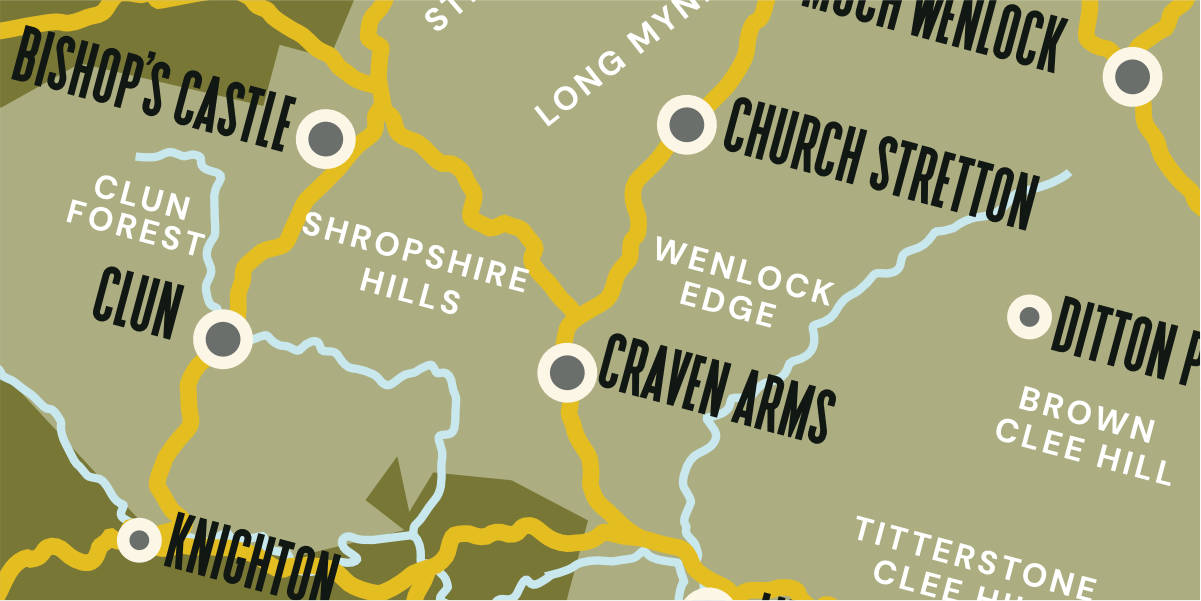
There are an awful lot of hills in the view. The furthest bump to your left is the Wrekin, thought to have been dumped by a tired giant. Further south the wooded Wenlock Edge, once the home of robbers & outlaws, runs all the way to Craven Arms. In front of that are the Lawley and Caer Caradoc with their ancient hillforts. The long, low bump ahead is the Long Mynd, made of some of Shropshire’s oldest rock. The gap between it and Caradoc was caused by the Church Stretton Fault – a still active rip in the Earth’s crust. The rocky cliff at the edge of the viewpoint car park is just as old. Some say it looks like a pile of dumped concrete!

The bumpy old lane on the right is called the ‘Rope Walk’. Three hundred years ago flax and hemp rope was made here and sold for ships, mines and farms all over the world. They’d stretch and twist the rope in long lines down the lane. They even had a windmill to help, but it’s gone now. It would have made a cool zip-slide!

The old lane passing the front of Lyth Hill is called the ‘Salter’s Way’. In Roman times salt was more valuable than gold. People were paid in salt. It’s where the word ‘celery’ comes from. No that’s daft. I meant ‘salary’. Pack horses carefully guarded by Roman soldiers, would have used the old road to take salt to pay the miners at the lead mines a few miles south.

From Lyth Hill you can see Iron Age Hillforts on the Wrekin, Lawley, Caer Caradoc, Brown Clee & Earl’s Hill. Caer Caradoc gets its name from an ancient British warrior who fought the Romans and was taken to Rome in chains of gold.

Ironbridge Cloud Factory which is pictured on the walk leaflet was actually a power station. It used to run on coal and when clouds were rising from the big chimneys, it meant that a lot of people were using electricity. The cloud factory isn’t there anymore. It stopped making electricity in 2015 and the factory was blown up in 2019!

Take the A49 to Bayston Hill. Turn onto Lyth Hill Road. Follow Lyth Hill Road for a mile to reach Lyth Hill Countryside Heritage site.


Walk directions

  1. Start

    Go through the gate and up the field as it gently climbs to the viewpoint.

  2. Step 2

    Go through the gate to the viewpoint car park.

  3. Step 3

    Go straight on through the next gate and follow the broad path gently downhill. After some way, go through the kissing gate on the right. (Go right to return to the viewpoint)

  4. Step 4

    Turn left along the lane between Coppice Gate Cottage and house, bearing right to a gate into Spring Coppice. (The exit from the wood is not suitable for pushchairs. Instead go straight on through the gate in the lane to enjoy the view).

  5. Step 5

    Take the broad right hand path and keep to it.

  6. Step 6

    Go straight on at the junction curving left into the heart of the wood. Stay on the broad path.

  7. Step 7

    Go right at the next junction between two holly bushes. The path is narrow becoming many criss-crossing braids. Keep going, don’t turn off the main path.

  8. Step 8

    Bear left to go through a wicket gate onto an open hillside. Go left up the hill following either path. Head on up towards the white house.

  9. Step 9

    Go through the gate and past Coppice Gate Cottage to return to the start.

Route leaflet

PDF information may be outdated

This route leaflet may not include recent changes. Some pubs or cafes listed might have altered or closed. For the latest route details, please consult this webpage.

Privacy & cookie settings

This website uses cookies so that we can provide you with the best user experience possible. Cookie information is stored in your browser and performs functions such as recognising you when you return to our website and helping our team to understand which sections of the website you find most interesting and useful.

For more information, please view our privacy notice

You can adjust your cookie settings by navigating the tabs here. You can return to this menu to adjust your options in future by clicking the cookie settings icon that appears towards the bottom of the page when viewing our site.

Strictly Necessary Cookies

Some strictly necessary cookies are required for our site to function, and therefore can not be disabled.

Additionally we use a GDPR compliance cookie to remember the preferences you set here. You can disable this cookie below, however you will be asked to set your cookie preferences every time you visit a page on this site.

Third-party services

This website uses Google Analytics to collect anonymous information such as the number of visitors to the site, and the most popular pages.

Keeping this cookie enabled helps us to improve our website.