


Women at War
From the station this walk leads you through Shrewsbury to the Abbey and the site of a WW1 prisoner of war camp. On the way you will discover the effect that the war had on women in general and five women in particular.
All change for the railway
Before 1914 over half a million worked on the railways but only 13,000 were women. Their roles were traditionally those of cooks, kitchen assistants, cleaners, laundry women and chambermaids both on the trains, in the stations and in the many railway hotels. During the war a third of all the railwaymen enlisted and somebody had to take on the work. Women were now recruited in every role except engine drivers and firemen where the training was considered too long. Now there were female engineers, trackmen, guards, level crossing guards and signalmen. Some of the work was too dangerous to do wearing a skirt so women wore overalls for the first time. For some people this was scandalous as women in trousers was thought to be unfeminine and immodest!
By the end of the war there were 180,000 women working on the railways.
The Wonderful Mary Webb
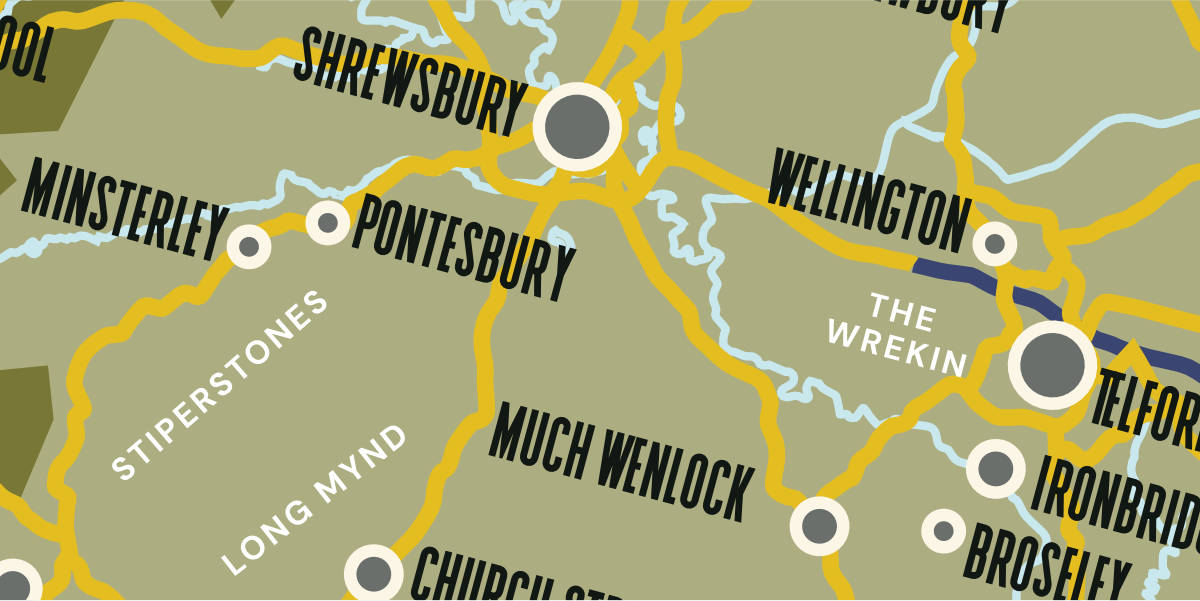
At the library you will find a bust of Mary Webb, the great writer of the early part of the 20th century. She had three brothers in the war and the effect it had on her is reflected in one of her poems, where she compared the rocks of the Stiperstones to
‘Tombstones with no name, no date, no word of hope, fit for the
nameless, dateless dead, beasts and men who had gone into the silence of annihilation’.
Opposite the library is Shrewsbury castle where countless men were recruited
into the 12 battalions of the Shropshire Light Infantry.
The Parade Shopping Centre & St Mary’s Church
This building, now flats and specialist shops, was built in 1830 and was the Royal Salop Infirmary. It saw much service in the war receiving wounded soldiers for convalescence. At the outbreak of the war a remarkable woman worked here. If you look at the small plaque on the left-hand side of the entrance you will see her name, Katherine Mary Harley. She was a nurse who, despite being 61 volunteered to serve in a hospital in France.
When you get to the church look at the large imposing war memorial and you will see the names of local people killed in the war. Only one name is engraved in full, that of Katherine Harley. She had served in a hospital and had the idea of creating, and running, a “flying column” rescuing and evacuating allied soldiers.
For this work, she was awarded the Croix de Guerre by the French. Later she worked with the Serbian Army and was tragically killed at Monastir in 1917 by an enemy shell as she was feeding starving Serbian civilians.
Engraved on her grave in the military cemetery in Salonika
are the words:
“On your tomb instead of flowers the gratitude of the Serbs shall blossom there for your wonderful acts. Your name shall be known from generation to generation”.
For more on these heroines of WW1 download the leaflet.