
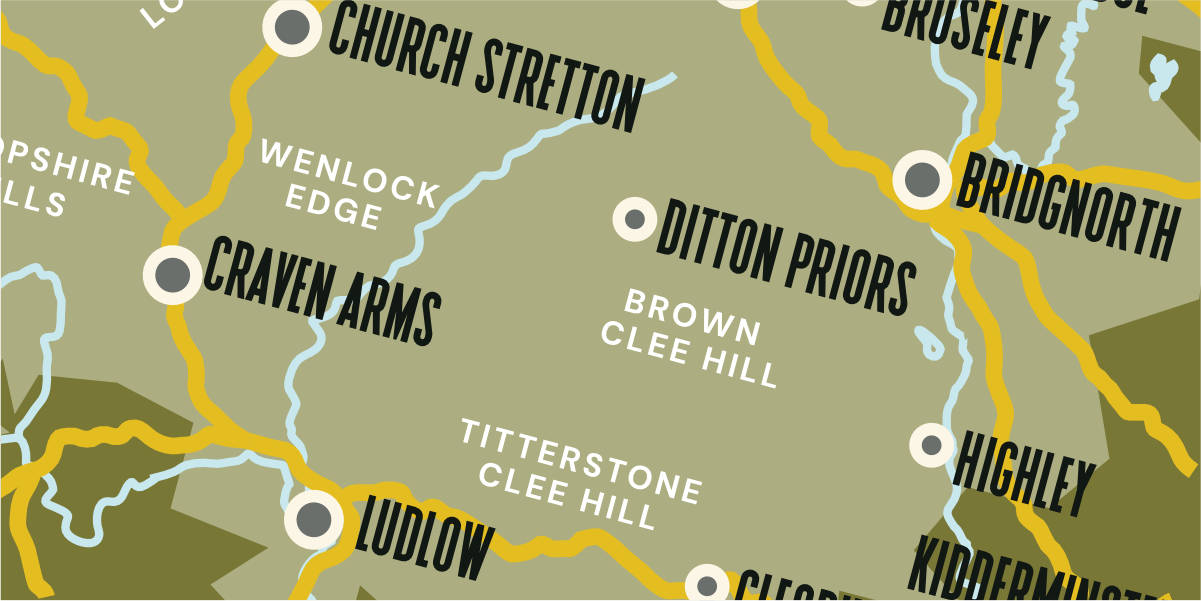
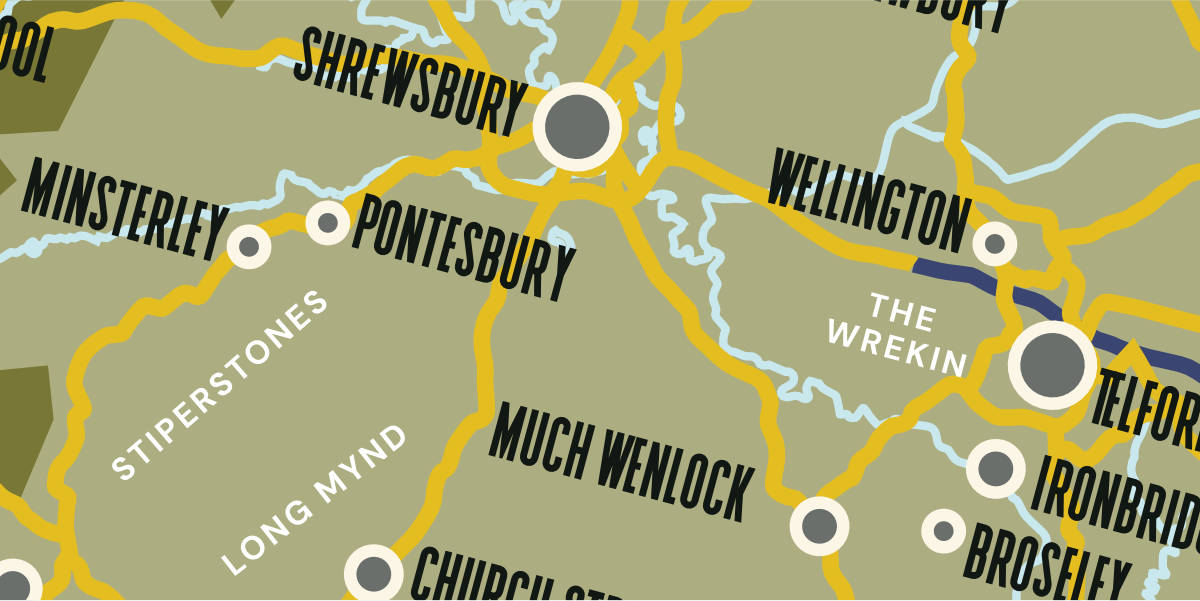
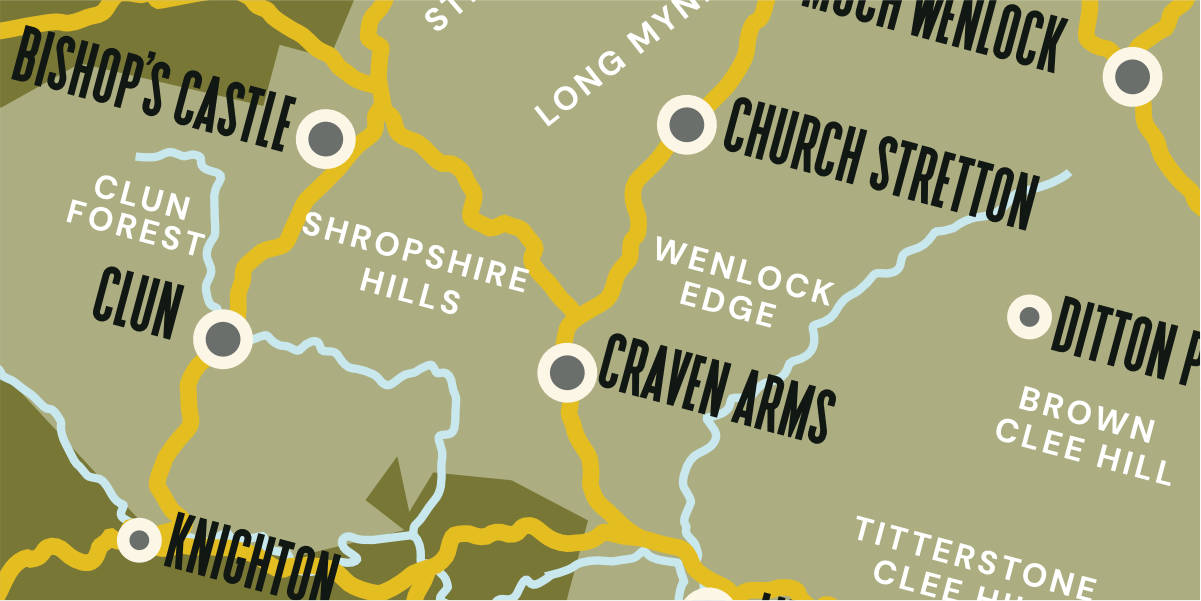
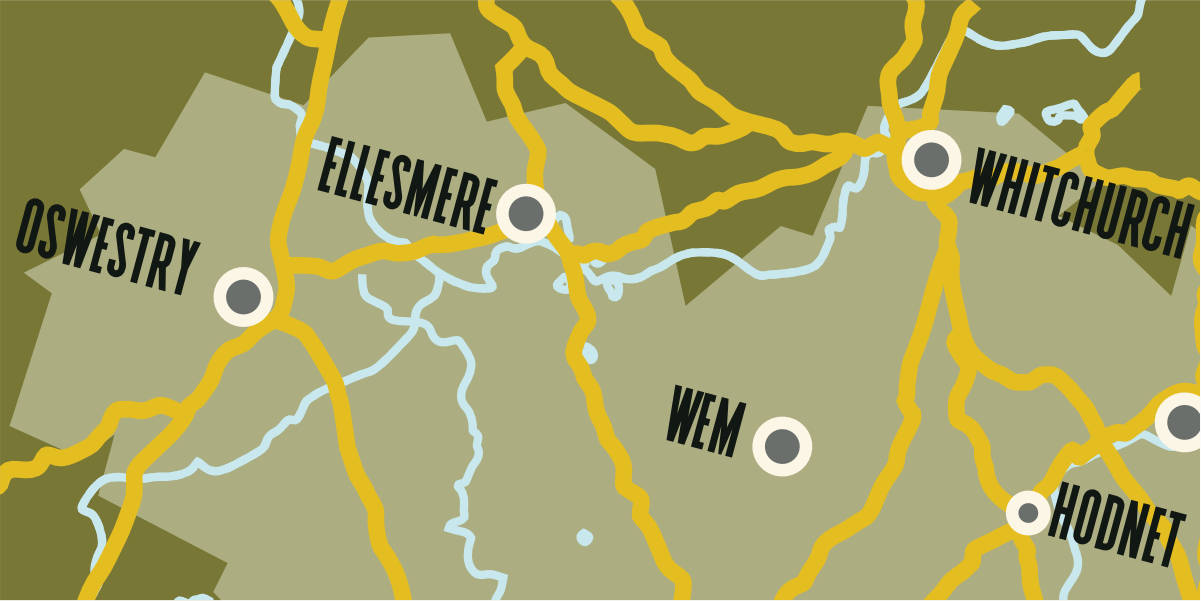


The Humphrey Kynaston Way is named after a notorious highwayman known as ‘Wild’ Humphrey, who was descended from a Welsh Prince. The route visits sites connected to the stories of the exploits of Humphrey and his family.
Humphrey Kynaston was born around 1468, to Lady Elizabeth Grey, the granddaughter of Humphrey Plantagenet, Duke of Gloucester, and second wife of Sir Roger Kynaston, Constable Keeper of Myddle Castle.
Humphrey became Constable on his father’s death, but, through his dissolute and riotous manner of life, he fell into debt, and Myddle castle fell into ruin. His horse, reputed to have been called Beelzebub, the devil’s horse, was said to have been shod backwards to confuse pursuers.
Humphrey, following a skirmish in Oswestry, along with his half brother Thomas, and Oliver and Richard Kynaston, was accused of felony in December 1487, and he became a notorious outlaw. These were unsettled times, with the Wars of the Roses still ongoing, and the Welsh Marches a lawless no man’s land.
In December 1492 Humphrey, now of Nesscliffe, rode to Stretton Dale, (Church Stretton) with his half-brother Thomas Kynaston of Shrawardine, and Robert Hopton of Hopton, Nesscliffe. There, they killed John Heughes. Many aided and abetted them, and in their escape they were lodged and fed at Pontesbury, Shrewsbury and Nesscliffe. They were tried and convicted for felony and murder in 1493, but escaped capture. The under Sheriff tried to capture Humphrey by removing some of the planks from the stone pillars of Montford Bridge, but he spurred his horse, and leaped the gap, escaping to Nesscliffe where he, with his horse stabled alongside, is reputed to have lived in the cave there reached by climbing 24 steps cut into the rock face. They were given food and fodder by those around: it is said ‘by the rich through fear, and the poor through gratitude’.
Later pardoned by Henry VIII, legend has it that he died in the cave at Nesscliffe. His will of 1534 requested that he be buried in St Mary’s Church in Welshpool.