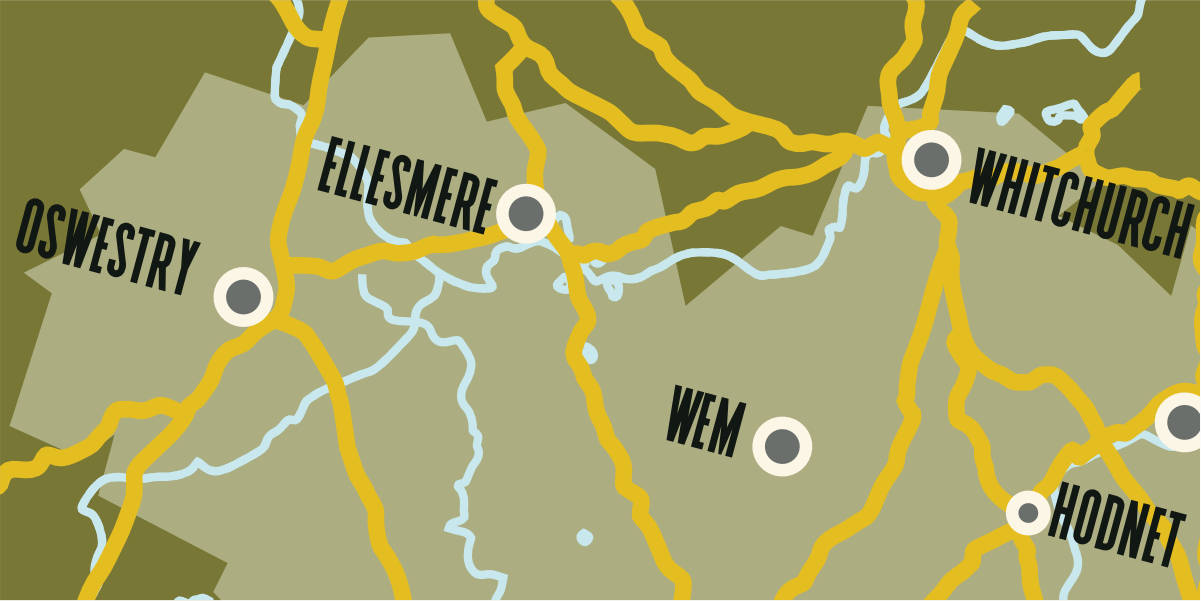

Straddling the English-Welsh border near Whitchurch, this vast National Nature Reserve is one of Britain’s largest raised bogs—an internationally important haven for rare wildlife and plants.

Straddling the English-Welsh border near Whitchurch, this vast National Nature Reserve is one of Britain’s largest raised bogs—an internationally important haven for rare wildlife and plants.
Parking
There are several car parks around the edges of the Mosses, with the primary site at Morris' Bridge Car Park.
Locations of car parks - What3Words & Postcodes
Morris’ Bridge - update.sleep.rhino - SY13 2RT
Roundthorn Bridge - layers.parading.falters - SY13 2PH
Shed Yard - crouching.scramble.happier - SY13 2PD
Manor House - overlaps.changed.private - SY13 2PD
World’s End - leave.text.spoils - SY13 2QE
By train
The nearest train station is Prees, 4 miles away.
By bus
Hourly bus services from Shrewsbury to Wem to Whitchurch stop at Tilstock, 3 miles from the Reserve, except on Sundays.
By bike
The reserve is near Route 45 of the Sustrans National Cycle Network.
The site is always open
These (including a disabled access toilet) are often available during office hours at the Manor House NNR base, but it is essential to check prior to any
visit to confirm availability.
The café at Whixall Marina is just a mile from Morris’ Bridge car park.
While on the Mosses, we ask owners to keep their dogs on short leads to minimise disturbance to wildlife and to reduce their chance of encountering an adder.
You can explore the Mosses along several clearly marked trails. The paths are flat but can be uneven and boggy at times. Please note trail diversions may be in place occasionally
so please follow signs as appropriate. Individual trail maps and information leaflets can be downloaded from themeresandmosses.co.uk.
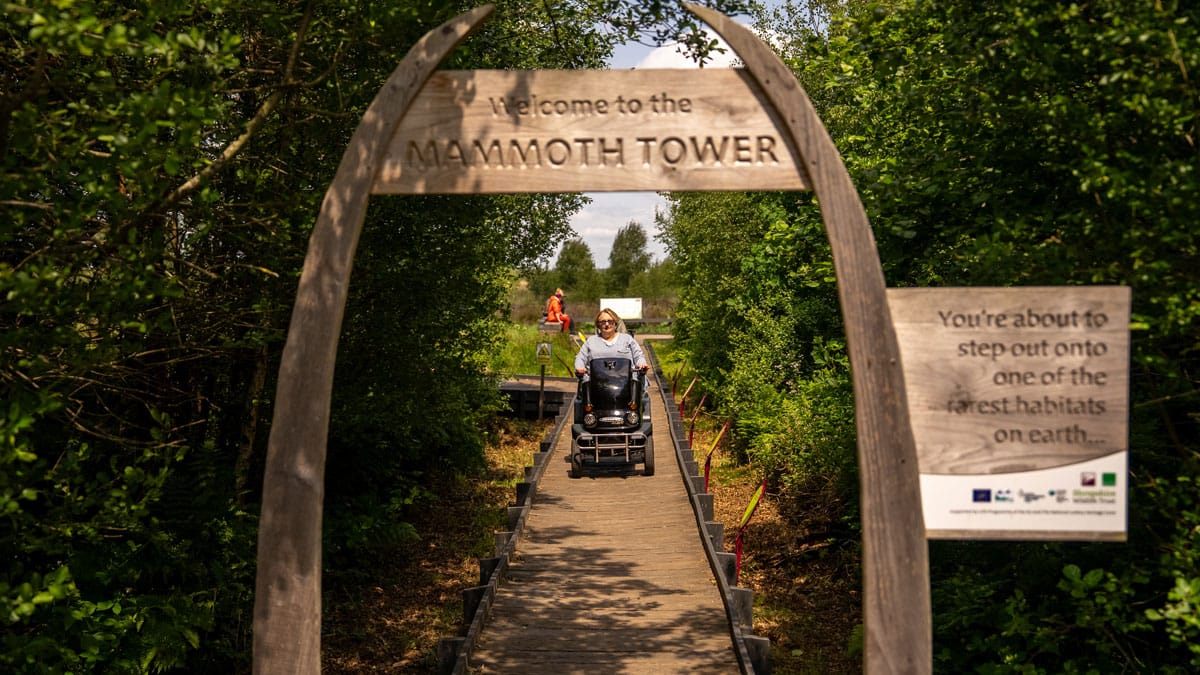
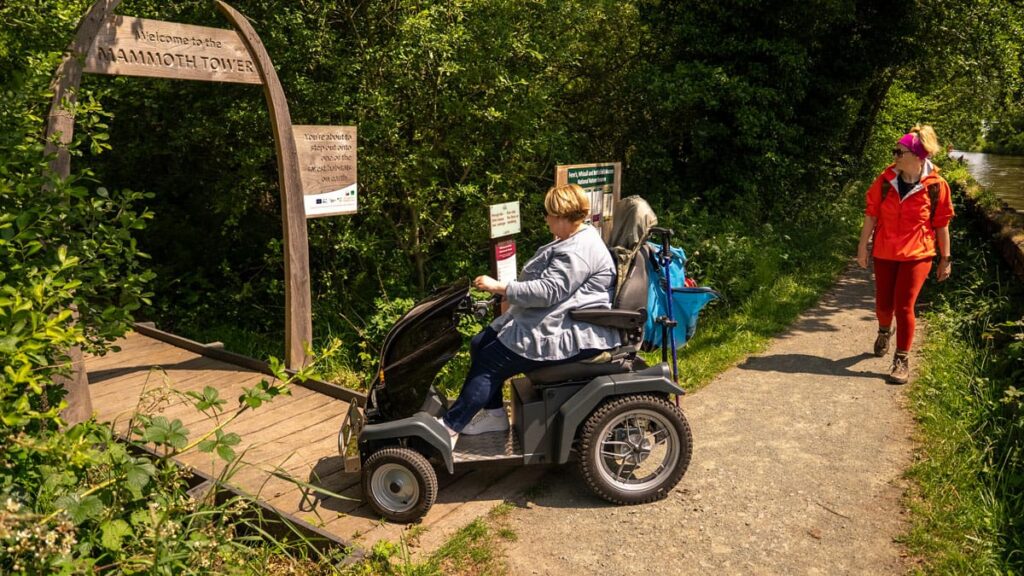
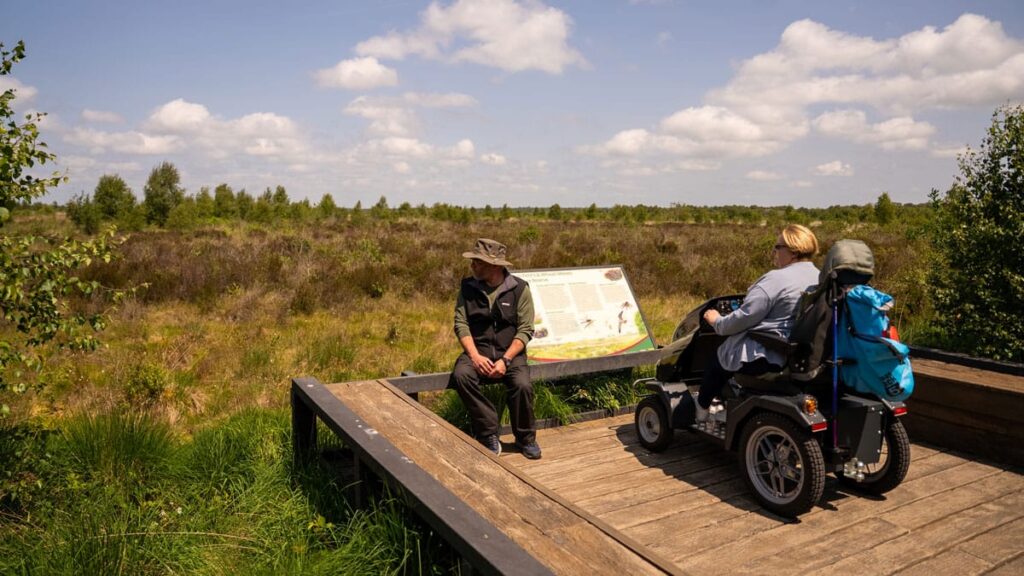
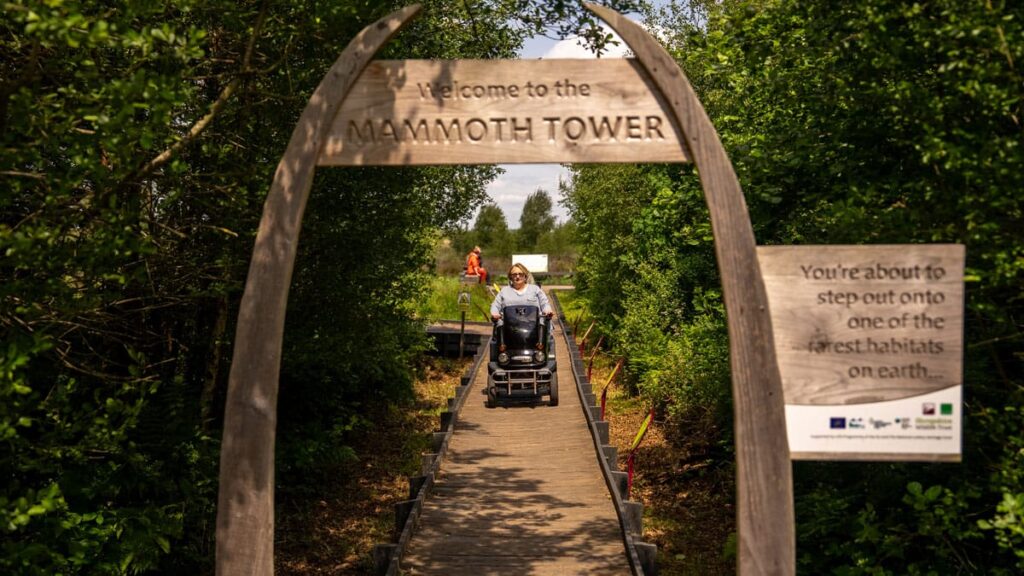
Follow the Mamouth Tower Trail from Morris’ Bridge car park along the Llangollen Canal towpath for about 1.5km. The 5-metre tower provides a spectacular view of the Mosses and the chance to look across into the branches of trees at the edge of the bog, where small birds are often feeding. There is plenty to look at from ground level too.
Visit Charles Sinker Bird hide and watch wildfowl on the pools all year round at this Shropshire Wildlife Trust bird hide. It’s especially interesting to see over-wintering
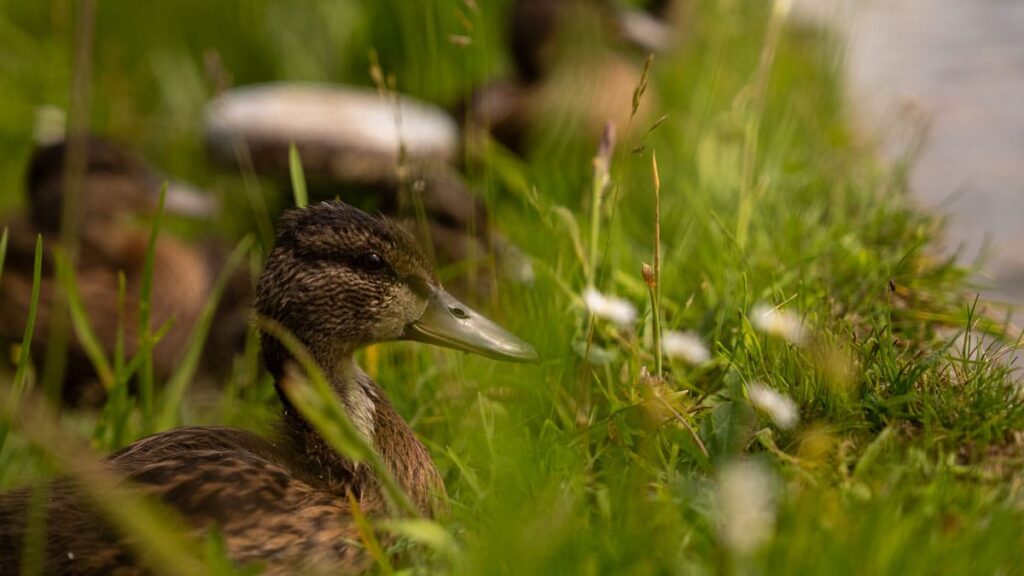
ducks such as teal and wigeon, or waders including greenshank and little ringed plovers that regularly drop by in spring and autumn on their way to and from their breeding grounds. A spoonbill once stayed for a few days.




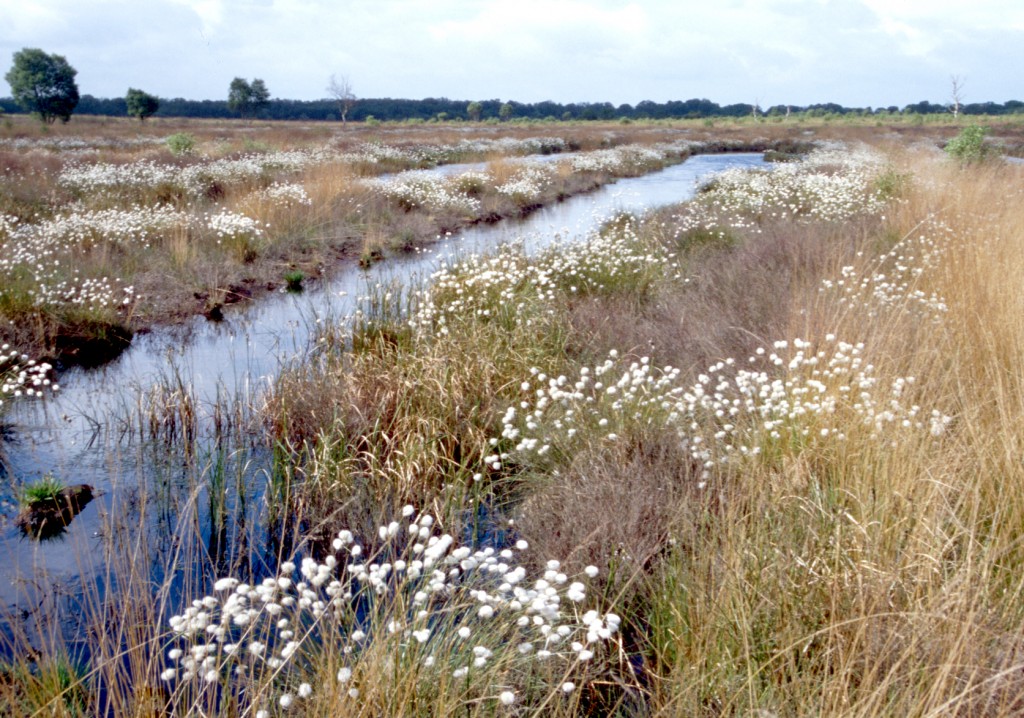

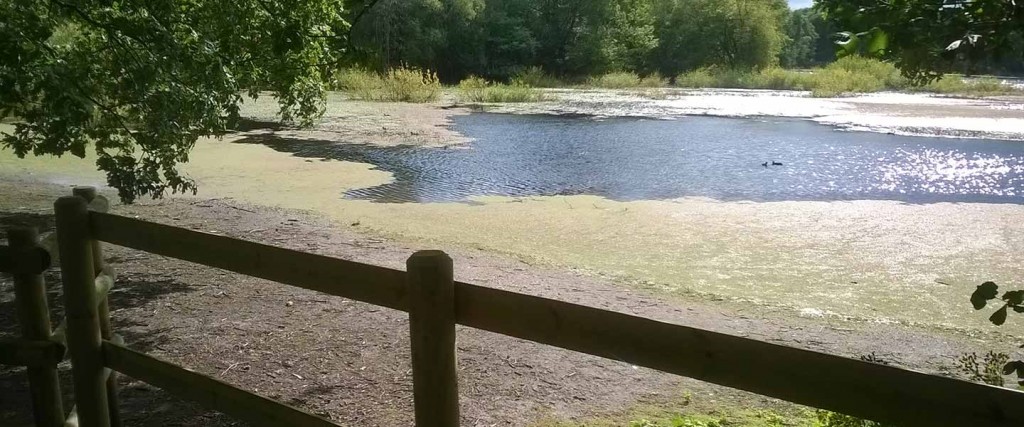
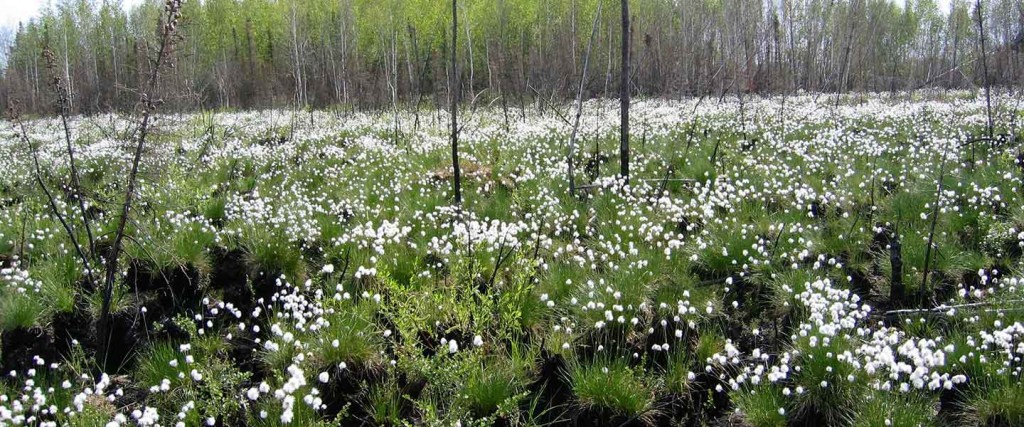




Fenn’s, Whixall & Bettisfield Mosses is a living relic of the Ice Age and one of Britain’s finest examples of lowland raised bog. This internationally important reserve is a biodiversity hotspot, supporting an astonishing range of species. Here, 18 types of bog moss thrive alongside insect-eating plants like round-leaved sundew, and rare flora such as bog rosemary and golden bogmoss.
The Mosses are home to northern and southern species side by side—cloudberry and crowberry meet cranberry—reflecting its unique position at the southern limit of raised bog growth. Invertebrates flourish, including raft spiders, rare craneflies, and 29 species of dragonflies and damselflies, with the white-faced darter back from the brink. Over 670 moth species and 32 butterflies, including the large heath, add to the richness.
Adders, common lizards, and water voles thrive here, while restored water levels have transformed birdlife: curlew, teal, shoveler, hen harrier, and short-eared owl are regular sights. Protected as a Special Area of Conservation and a Site of Special Scientific Interest, the Mosses offer quiet beauty, ecological significance, and endless discoveries—a true wilderness on the English-Welsh border.
The NNR relies heavily on people volunteering to help with management works, events, research and administration. Student or graduate placements are welcomed, as are local people who can come in to help for a day or more a week.
There is a busy events programme