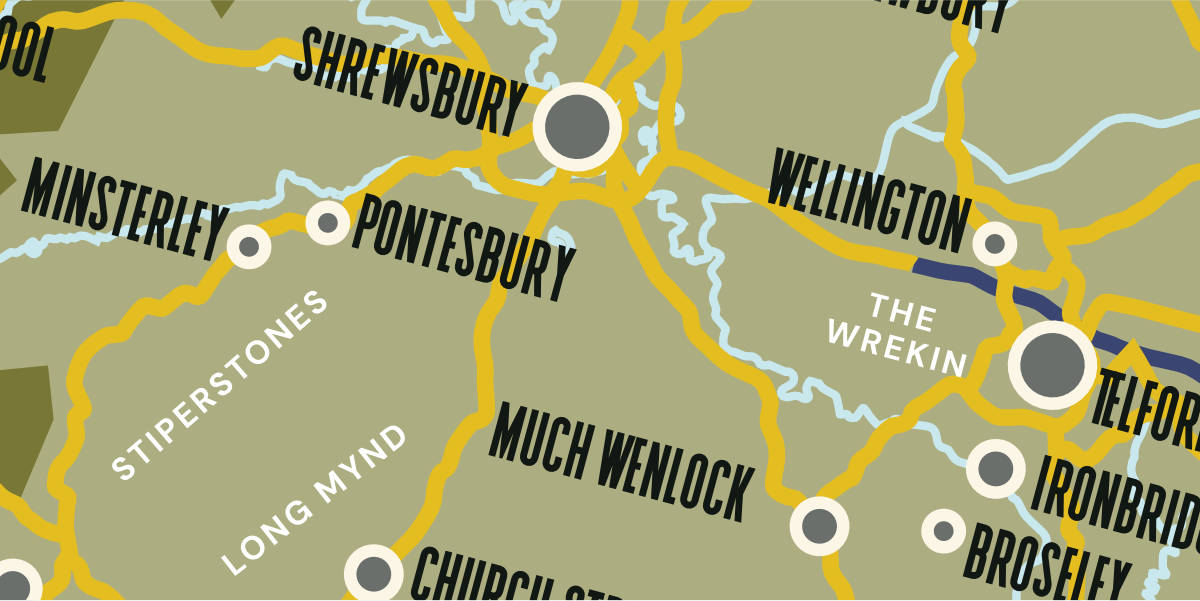

The Stiperstones is a dramatic quartzite ridge in south Shropshire, offering wild scenery, rich wildlife, and sweeping views—an iconic National Nature Reserve near the Welsh border.


The Stiperstones is a dramatic quartzite ridge in south Shropshire, offering wild scenery, rich wildlife, and sweeping views—an iconic National Nature Reserve near the Welsh border.
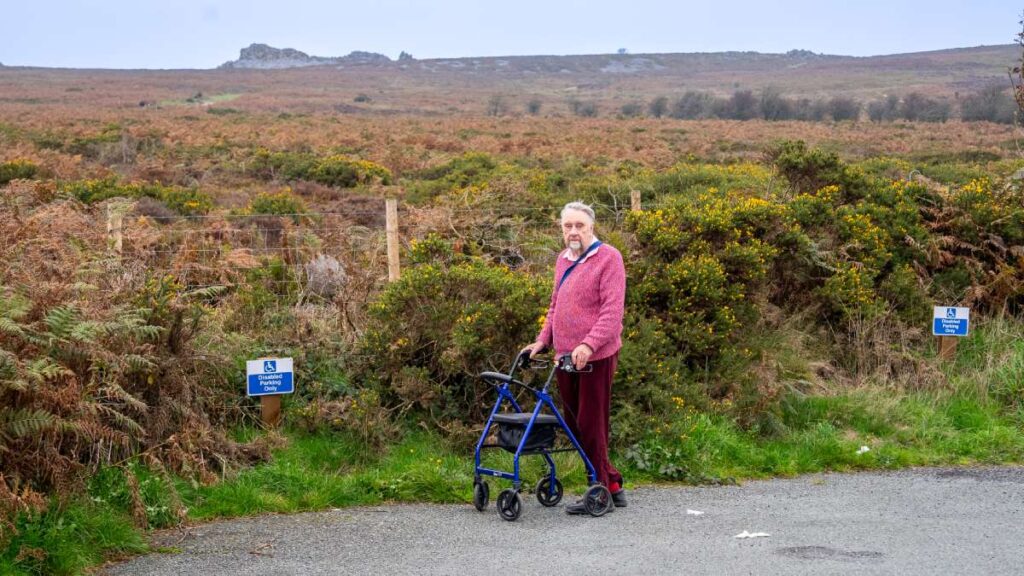
Stiperstones National Nature Reserve - Knolls Car Park, alternative parking is at The Bog Visitor Centre or Snailbeach.
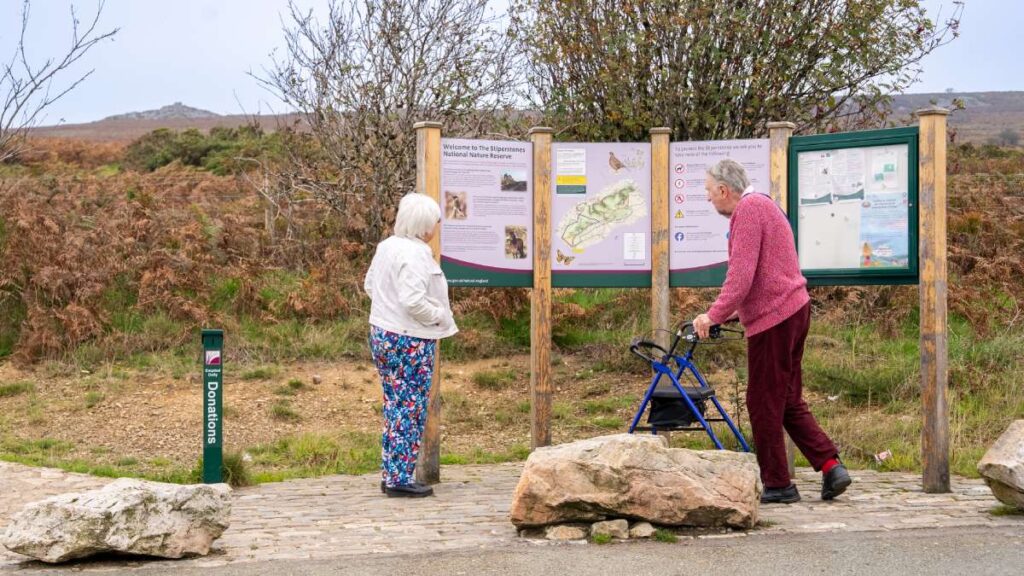
The open hill ground is designated ‘access land,’ giving you the right to roam—but for the sake of wildlife and livestock, please stick to the well-marked footpaths. Areas outside the reserve are generally limited to public rights of way.
To help protect this special place, please:
Open all year
Explore the jagged tors like the Devil’s Chair and enjoy panoramic views across Shropshire and Wales. The Stiperstones Stomp is an 8km path that takes in the sights of the ridge and surrounding countryside.
Look for red grouse, skylarks, and buzzards overhead, or butterflies like green hairstreak and emperor moth among the heather.
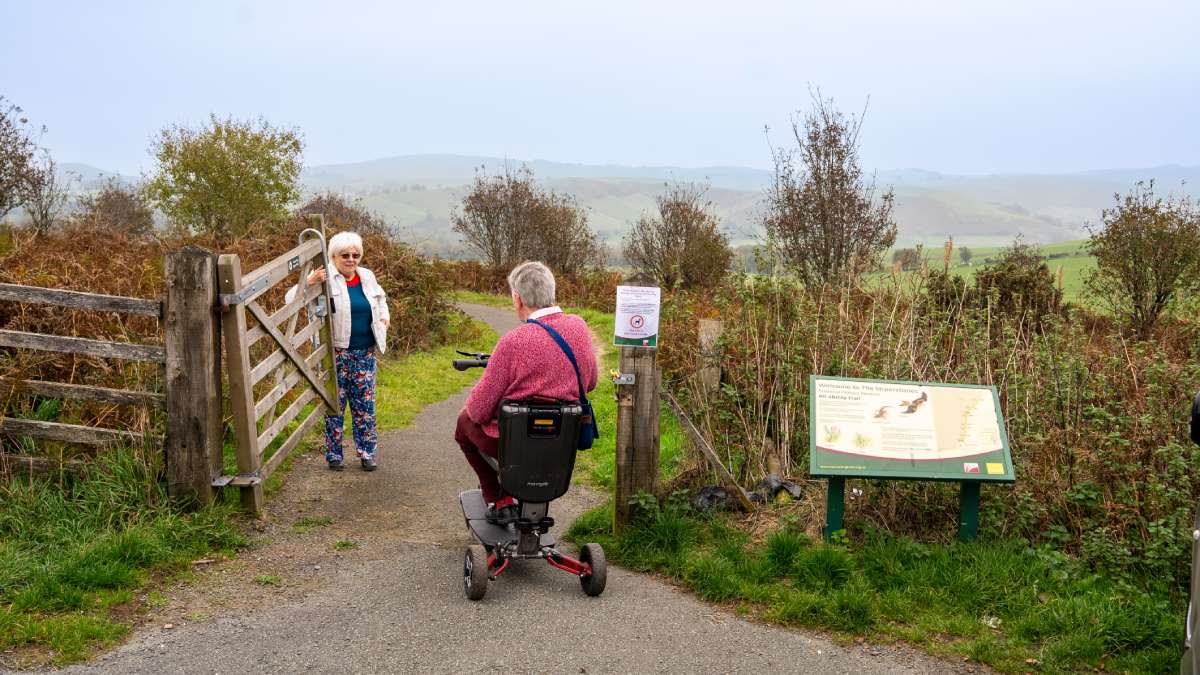
Start at the NNR car park for a 650m accessible route with resting spots and stunning views.
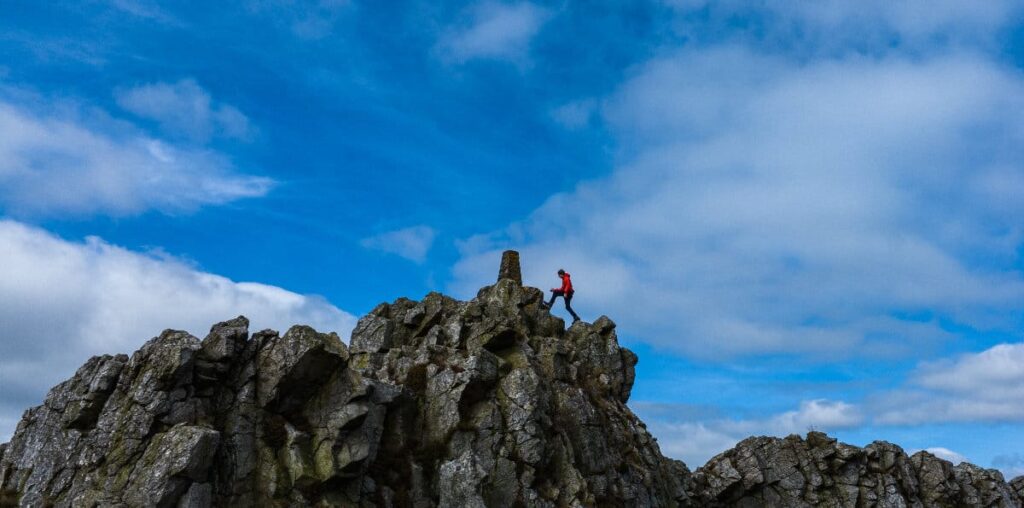



The Stiperstones is one of Shropshire’s most iconic landscapes—a wild, atmospheric ridge of shattered quartzite formed over 480 million years ago during the Ordovician period. Its jagged tors, including the famous Devil’s Chair, were sculpted by frost during the last Ice Age, creating a boulder-strewn terrain unlike anywhere else in Britain.
This 10-kilometre ridge rises to 536 metres and offers sweeping views across Shropshire and into Wales. It’s not just visually striking—it’s a Site of Special Scientific Interest and a Special Area of Conservation, legally protected for its geology and wildlife.
The heathland, oak woodland, and acid grasslands support rare species such as bilberry bumblebees, emperor moths, and green hairstreak butterflies. Upland birds like red grouse, skylark, and stonechat thrive here, alongside foxes, hares, and even common lizards.
The Stiperstones is steeped in history and folklore, with a legacy of lead mining dating back to Roman times. Today, conservation projects like “Back to Purple” are restoring heathland and maintaining this unique habitat for future generations.
Dogs on leads please at all times.
The NNR relies on people volunteering to help with management works, monitoring and events. The Stiperstones Volunteer Group, a small friendly group of practical volunteers, meets twice a month on Wednesdays and Thursdays.