Learn about the mining heritage
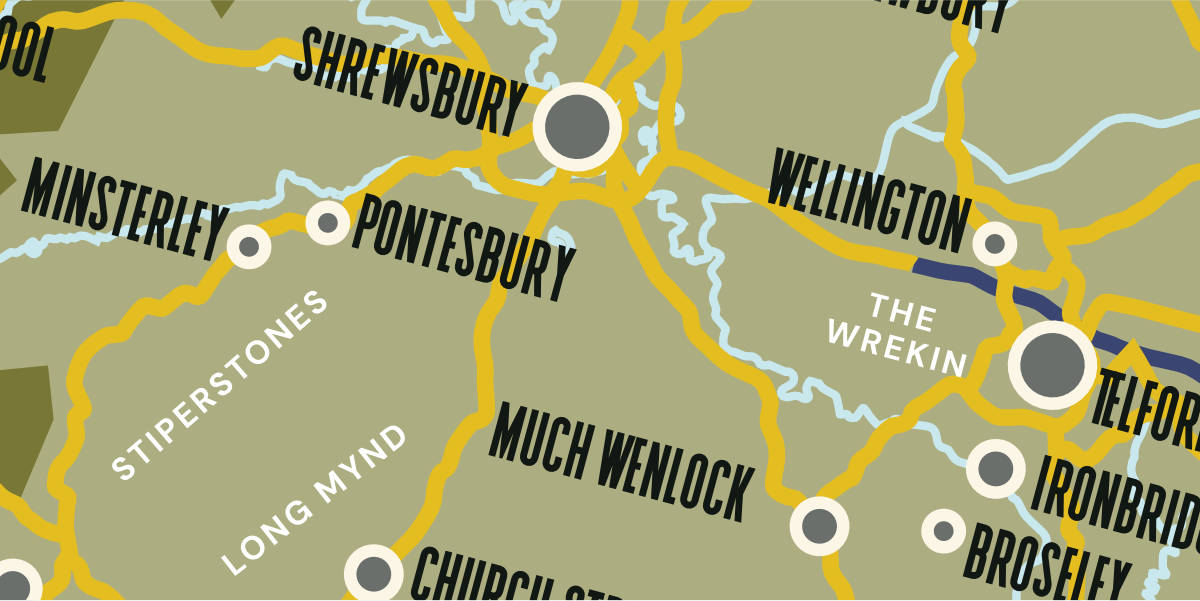
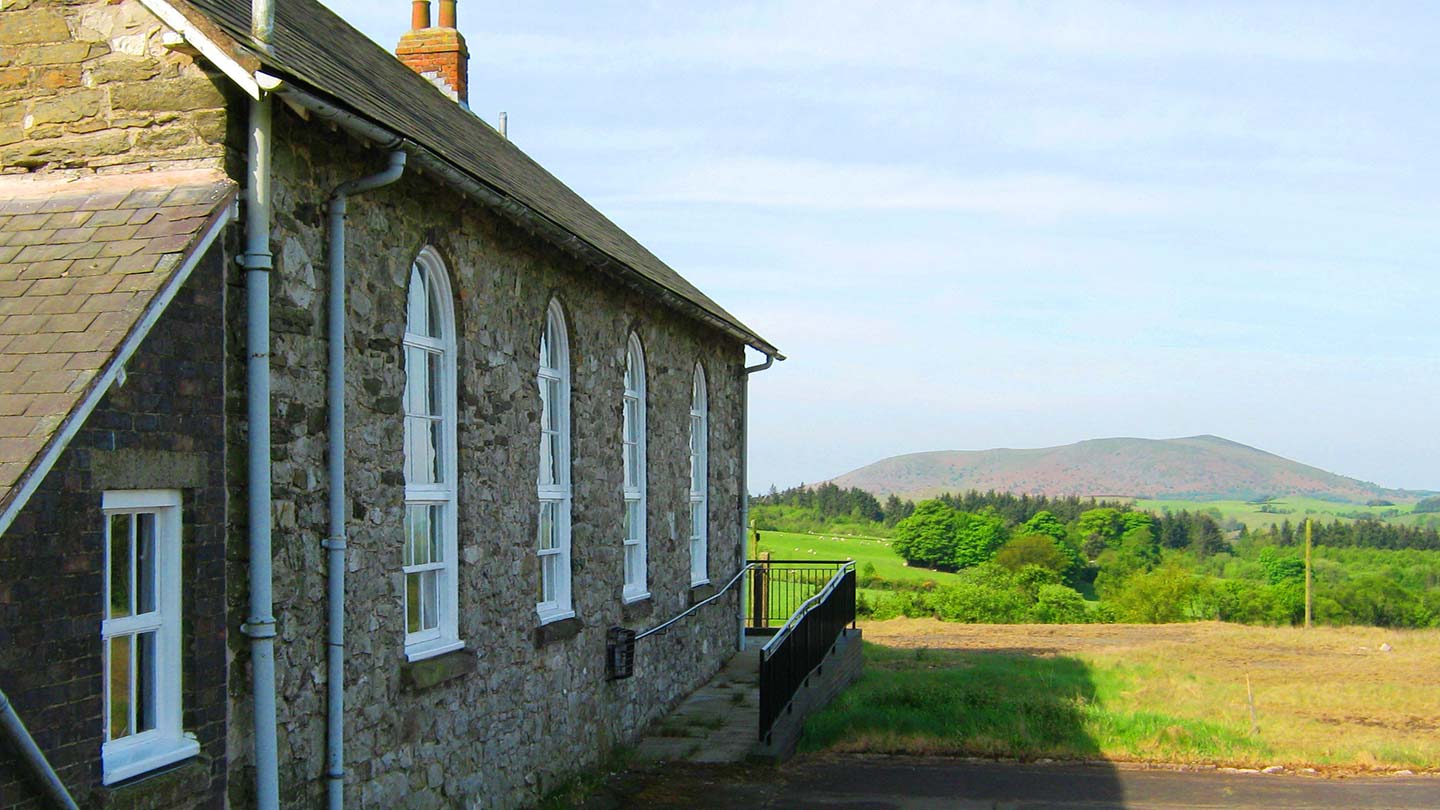
Wander around the relics of the mine and try to picture the scene in the 18th century with men busily digging and working the site. In the 1870s, the Stiperstones was one of Britain’s great lead sources, its ore prized for roofs, pipes, paints, and bullets. At The Bog Mine and Visitor Centre, you can wander trails past relics of this industry—an old miners’ institute, the Somme tunnel, and the powder house where explosives once lay in wait.
Mining began here in the 1730s, continuing for nearly two centuries. Though fortunes rose and fell, the veins kept drawing miners back. Lead gave way to barytes in the early 1900s, carried by an aerial ropeway built by German prisoners of war. By 1922, the mines fell silent, leaving behind stories etched in stone. Interpretation boards now guide visitors through this remarkable chapter of Shropshire’s past.
Butterfly Spotting
The old mining reservoir now shimmers with dragonflies and shelters newts, while spoil heaps provide rare habitat for invertebrates. Volunteers have helped clear the scrub to keep these open spaces alive. It’s also one of Shropshire’s most important sites for the elusive grayling butterfly—masters of camouflage, basking quietly on the sunlit heaps.
Circular walks
There are a range of circular walks from the centre, leaflets are available at the Visitor Centre or the routes can be downloaded by clicking the links below.
Walking with Offa 13: The Bog & Stiperstones
The Nipstone Wanderer
Flenny Bank Walk
Mucklewick Walk
Discover Shropshire Circular Walk 2 - Stiperstones
Access Guide
For information about accessibility at the centre view a full access guide.